
You grow up with certain festivals, and the traditions and rituals connected with them. In our childhood, Dussehra meant 10 days of Ramlila and the burning of Ravana’s effigy (Ravan Dahan) on Dussehra day. It also marked a 10 days’ autumn break, or Dussehra holidays. Further, it meant the onset of the Diwali season, marked by bursting crackers days before actual Diwali. Other important festivals that were awaited were Holi and Rakshabandhan, interspersed with religious festivals like Janmashtami and Shivratri.
Years of stay in Kolkata exposed me to the fervour and passion of Durga Puja. Virtually the entire city came to a standstill from the sixth Navratri (Shasthi) onwards.
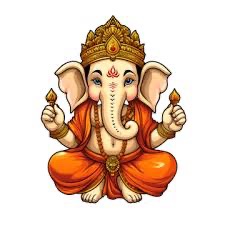
Mumbai introduced us to the Ganesh festival, an extravaganza lasting 10 days from Ganesh Chaturthi to Anant Chaturdashi. Our first year in Mumbai, we moved with the crowds to Juhu beach and were overwhelmed by the experience. Then itself, we decided to bring home Ganpati from the next year onwards—a tradition that we have continued now for almost a quarter of a century. Of course, celebrations have changed from a mass scale to a personal level, courtesy of the unavailability of help for cooking or catering. But the never-say-die spirit of the festival, and the belief that this very special guest would take with him not only our woes and problems but those of the entire world, makes this festival very poignant and pleasurable.
Happy Ganpati festival to all, with a prayer to the Vighnaharta to bestow peace upon this highly disturbed world!”


Happy Ganesh Chaturthi to you and your family 💐💐
LikeLiked by 1 person
Hope you’re good
LikeLike
Many more wishes to You Sir Madam and Family for blessing of HIM FIrst Deity. Wishes and prayers for Good health and happiness always !!
LikeLiked by 1 person
Ganapati Bappa Morya,Sir,to You,Family and all others
LikeLiked by 1 person
🙏
LikeLike
🙏
LikeLike